This is another fave meal of Davids, Chicken n broccoli, chowmein and spring rolls.. I love cooking from scratch, especially right now, as i have a lot of time on my hands , #StayHomeandCook. How are you all managing staying home, I have actually been doodling , I saw a pic of Peter Rabbit and I tried to copy it
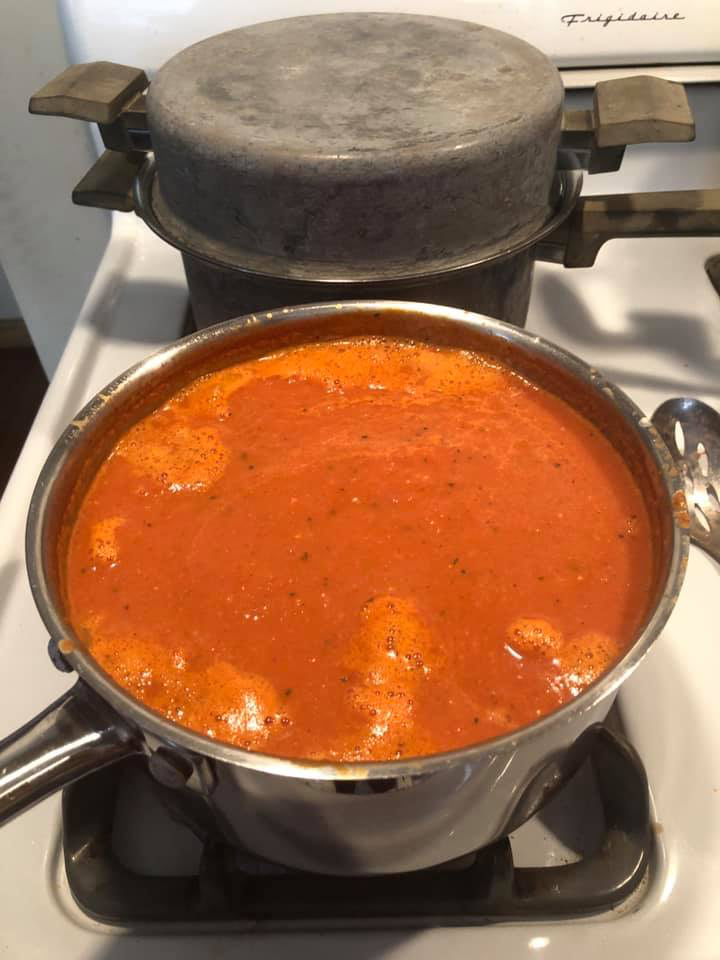
I think i am going to make a red pepper pasta sauce for dinner tomorrow, last time I made it I added a can of crab meat oh boy was it ever good.. The pics below
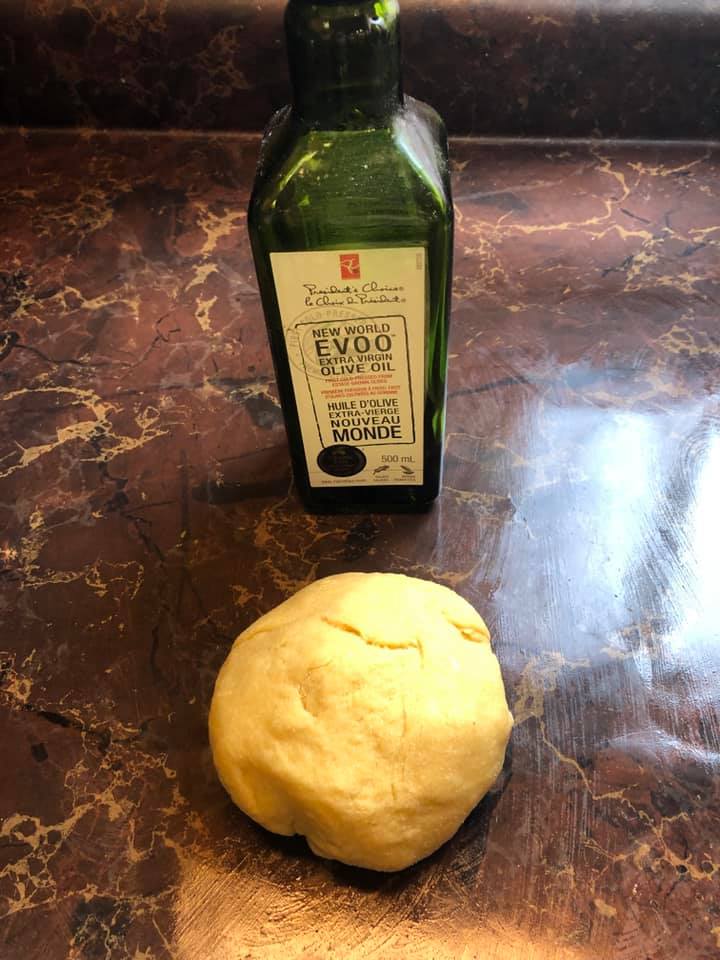
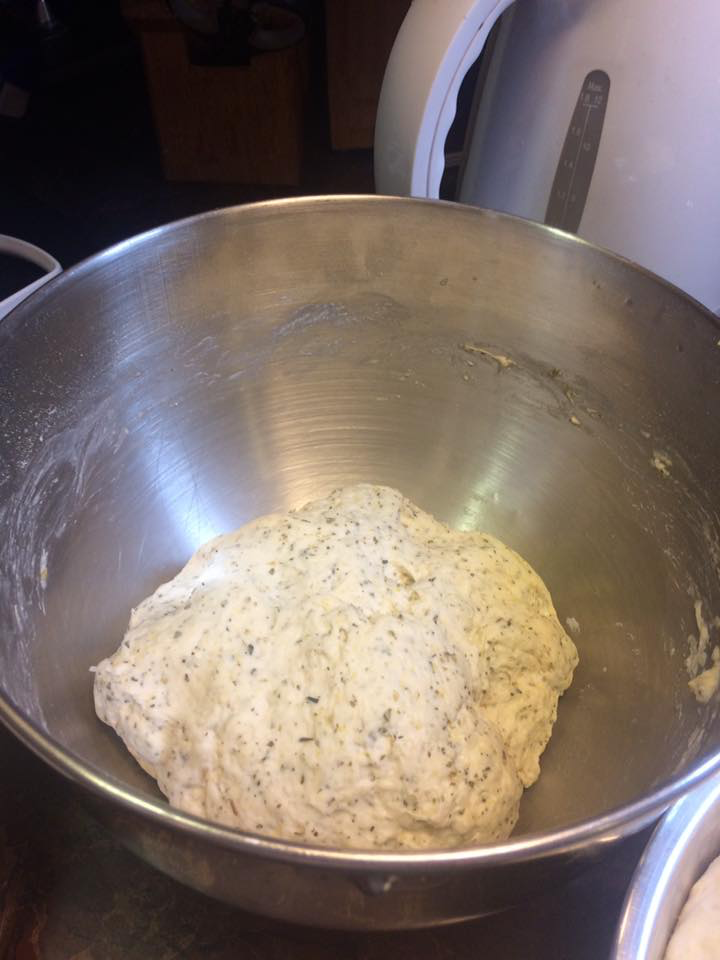
Home made Fusilli Pasta, home made bread, home made red pepper sauce with scallops. Tomorrow I will be making the red pepper sauce with crab yummy . I don’t always have these sauces on pasta, I use different Ancient grains, Like Millet , Farro, Spelt Bulgur, Buckwheat, Quinoa Ancient grains make a perfect side dish, any time, any season. Convenient, inexpensive and incredibly delicious, they are rich in carbohydrates, the body’s main fuel supply, as well as vitamins, minerals, fiber, antioxidants and phytonutrients. Add dried or fresh herbs, spices, nuts, seeds, cheeses or vegetables —
Here is some info i found on the web, it is interesting
Health benefits of ancient grainsAncient grains in their “whole grain” form provide fibre, vitamins and minerals, and healthy fats. Research shows that people who eat more whole grains may have a lower risk of heart disease, stroke, diabetes, and some cancers.
Of all the current food trends, ancient grains might just be the original. This collection of nutritious whole grains are barley, kamut, millet, teff, oats, freekeh, bulgur, sorghum, buckwheat, amaranth, quinoa, chia and farro. And just to make the Jewish connection even clearer, all but teff, quinoa, amaranth and chia originated in the Fertile Crescent, which was home to the first Jews — present-day Lebanon, Syria, Turkey Iraq, Iran, Israel, Jordan and Egypt. These grains are considered “ancient” not only because they originated so long ago but also because their basic structure, taste and appearance has stayed the same since they were developed by the first agriculturists.
Combine grains and water in a medium saucepan. If desired, add 1/2 tsp salt. Cover and bring to a boil over high heat. simmer on low heat for the specified cooking time.
Remove the lid and test the grains for tenderness. If more cooking is needed, recover and cook for 5 to 10 minutes, adding up to 1/4 cup water if all the water has been absorbed.
Remove from heat and let stand, covered, for 5 minutes, then fluff with a fork.
Buckwheat groats: Prepare as directed, but bring water to a boil before adding the groats. Return to a boil. Reduce heat and simmer for the specified cooking time.
Bulgur: Bulgur can also be soaked, rather than cooked, for use in salads and other preparations. Place bulgur in a large bowl and cover with an equal amount of boiling water. Let stand for about 30 minutes or until water is absorbed. Fluff bulgur with a fork.
Farro: Prepare as directed, but drain the excess water when farro is tender. Use immediately
#StayHome #StaySAfe #washyourhands #StayHealthy Love Y’all






























 Intuitive Chef